Data Analyst
Data Analysts work with project data to help teams make informed
decisions.
Working with engineers, environmental specialists, and project teams, they turn complex
datasets into clear information that supports planning, development, and project performance.

What you’ll do
Besides collecting, cleaning, and analysing data from surveys and project activities to identify trends, risks and insights, you will:
Interpret environmental, technical, and survey datasets Use data analysis tools such as Excel, Python, or BI tools Create reports, dashboards, and data visualisations Ensure data quality, consistency, and traceability Support project teams with data-driven insights Communicate findings to technical and non-technical stakeholders
Learn more about this career
ISCO is an international system that groups similar jobs together. It helps you understand what type of job this is and which other jobs are related.
ISCO 2120 – Database Mathematicians, actuaries and statisticians
View job classificationQualifications that you'll need
- Bachelor’s degree in data analytics, statistics, mathematics, computer science, engineering, or a related field is typically required
- Training or experience in data analysis tools and statistical methods is important
Benefits to expect
Explore indicative salary ranges and typical employment benefits across four European wind energy regions.
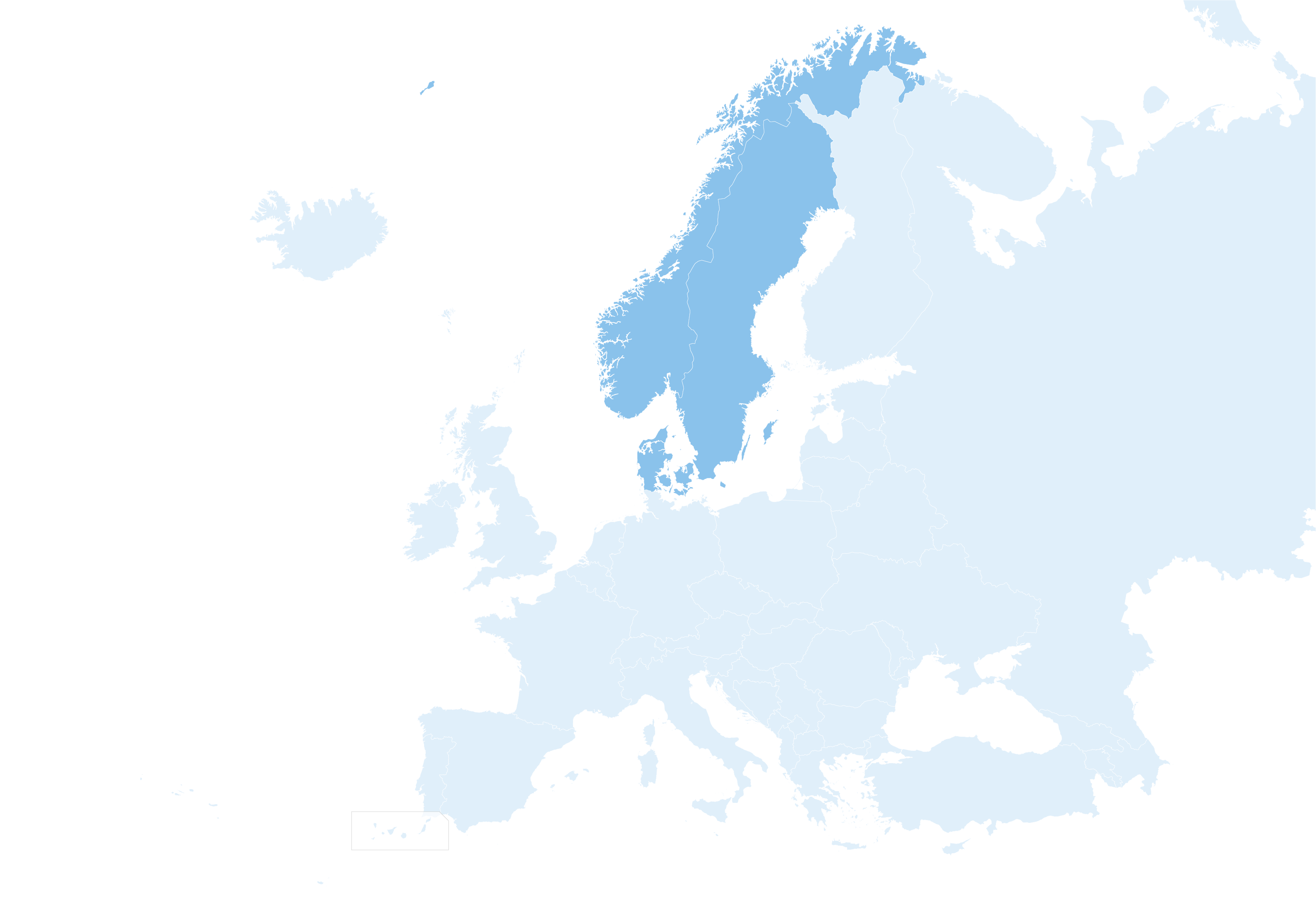
Typical annual salary
€ 72,000 – € 88,000
Jobs may also be available in countries outside these clusters; but remuneration details for these were not included in Atlas Next Wave's study
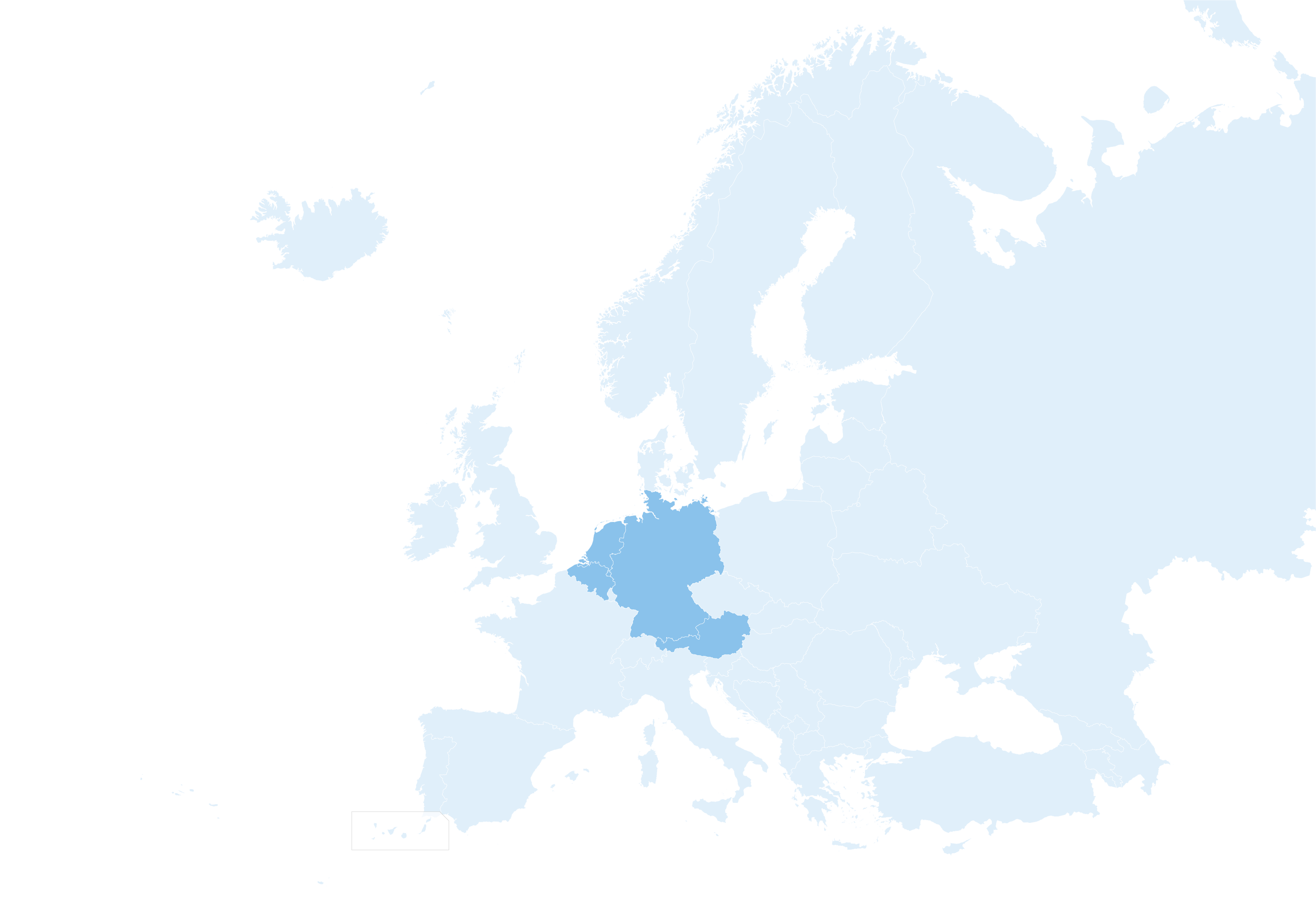
Typical annual salary
€ 60,000 – € 74,000
Jobs may also be available in countries outside these clusters; but remuneration details for these were not included in Atlas Next Wave's study
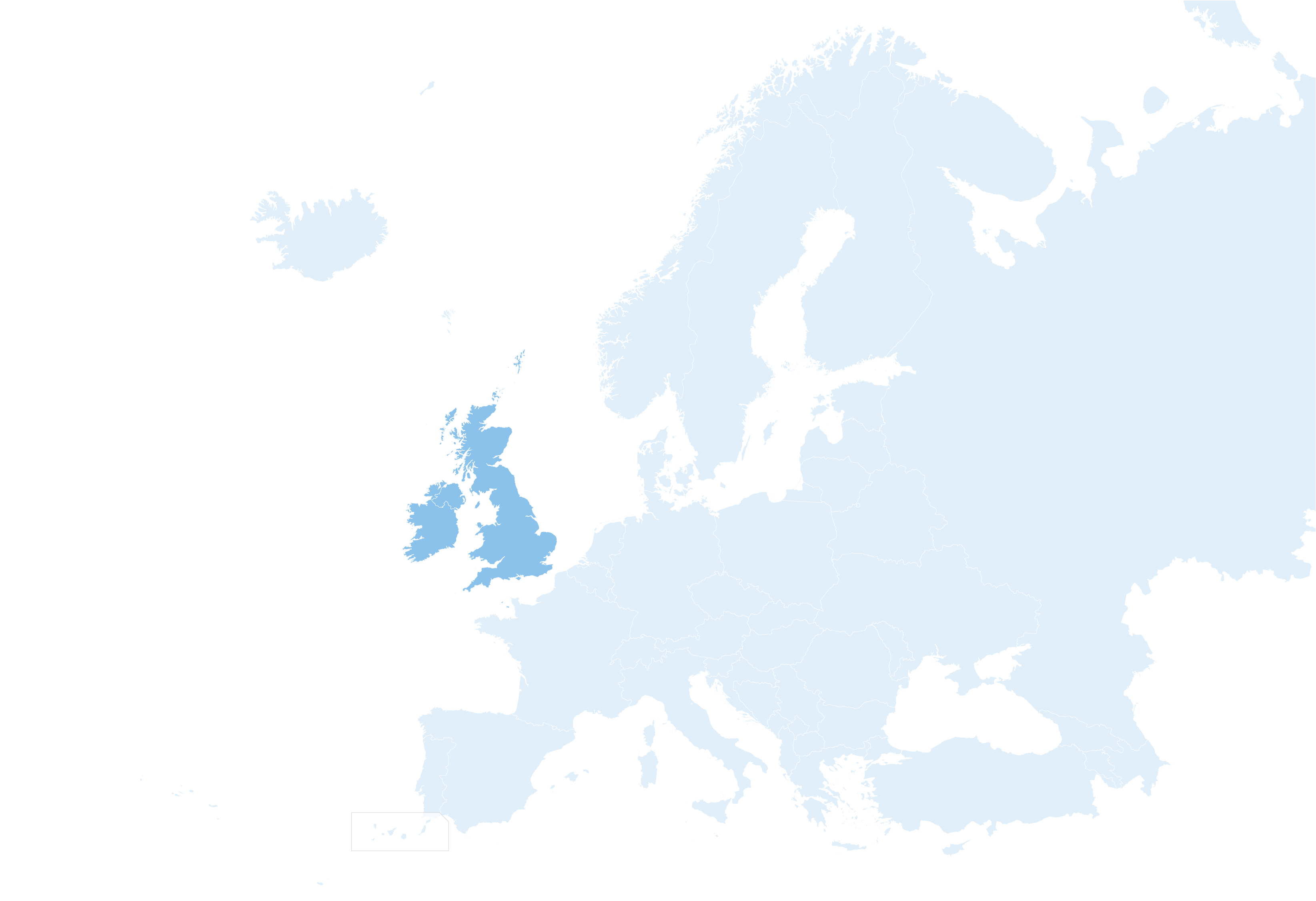
Typical annual salary
€ 58,000 – € 73,000
Jobs may also be available in countries outside these clusters; but remuneration details for these were not included in Atlas Next Wave's study
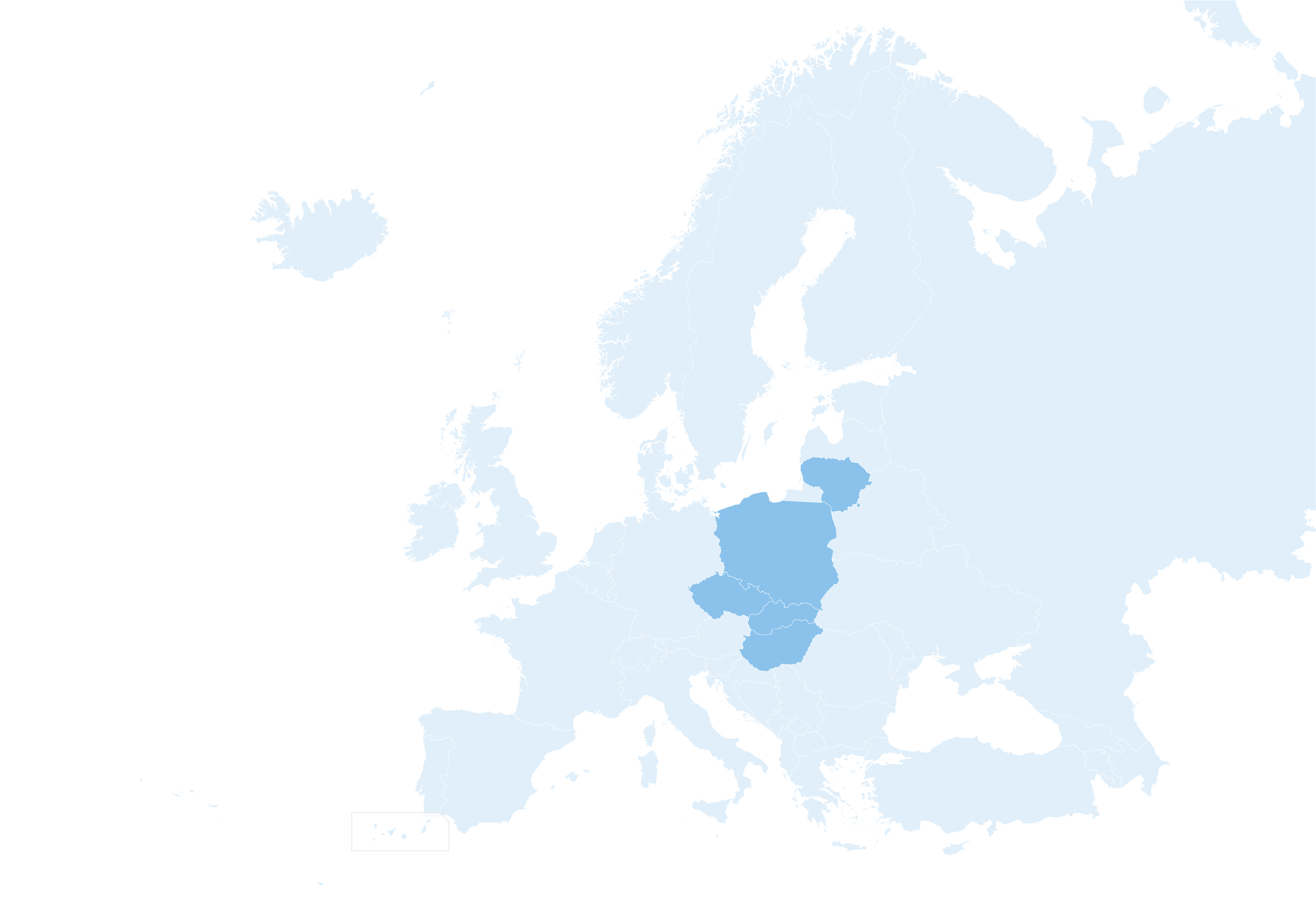
Typical annual salary
€ 38,000 – € 49,000
Jobs may also be available in countries outside these clusters; but remuneration details for these were not included in Atlas Next Wave's study
- Countries are grouped by comparable salary markets. The ranges are indicative of the cluster; country rates may vary.
- Salary ranges are indicative of gross annual base salary for professionals with approximately five years' experience. They represent typical market rates and vary by employer, location and experience.
- Salary figures exclude bonuses, offshore allowances and other forms of variable remuneration.
- Pension or retirement contributions.
- Health and well-being benefits.
- Flexible and hybrid working arrangements.
- Professional development opportunities.
- Offshore or site allowances.
- Rotational working patterns.
- Specialist training and certifications.
- Opportunities to work on international projects.
- Career growth and progression opportunities.
Atlas NextWave is a global staffing and workforce solutions partner supporting the renewable energy industry, with extensive expertise across both offshore and onshore wind. They provide professionals throughout the entire project lifecycle, from development, financing and engineering to construction, installation, operations, maintenance and decommissioning.
They connect skilled professionals with opportunities while helping developers, contractors and supply-chain partners deliver complex wind energy projects safely, sustainably and compliantly. More than a recruitment company, Atlas NextWave is a long-term knowledge partner committed to building the workforce needed to accelerate Europe’s transition to a sustainable energy future.
Where this role can take you

Related jobs in analysis
Explore related careers and discover where your skills could take you in the wind industry.
Looking for the right opportunity?
Discover where your skills could take you in the wind industry. Take a look at the job availabilities of our members or do our quiz.
See the companies hiring Take the Quiz