



Published on 15 December 2025
Overview
Europe’s wind energy sector is a cornerstone of energy security, industrial competitiveness, and employment. In 2024, wind energy supported 442,800 jobs across Europe, a clear sign of the sector’s rapid growth and rising economic and social importance. But scaling up wind capacity is not only a question of turbines and grids — it is a question of people. The success of Europe’s energy transition depends on having the right skills, in the right places, at the right time.
This report explores the workforce behind Europe’s wind energy ambitions. WindEurope has carried out a comprehensive mapping of 235 job profiles across the full wind farm lifecycle — from project development and manufacturing to construction, operations, maintenance, and decommissioning — providing a robust and up-to-date picture of the sector’s workforce needs.
The analysis identifies the roles most at risk of future skills shortages and shows where training, education, and investment must be prioritised. Workforce planning takes years, and education and vocational training systems take even longer to adapt. Without coordinated action, today’s skills gaps risk becoming tomorrow’s deployment bottleneck. Success will hinge on strong collaboration between industry, Government, and education.
This report explores the workforce behind Europe’s wind energy ambitions. WindEurope has carried out a comprehensive mapping of 235 job profiles across the full wind farm lifecycle — from project development and manufacturing to construction, operations, maintenance, and decommissioning — providing a robust and up-to-date picture of the sector’s workforce needs.
The analysis identifies the roles most at risk of future skills shortages and shows where training, education, and investment must be prioritised. Workforce planning takes years, and education and vocational training systems take even longer to adapt. Without coordinated action, today’s skills gaps risk becoming tomorrow’s deployment bottleneck. Success will hinge on strong collaboration between industry, Government, and education.
Findings
1
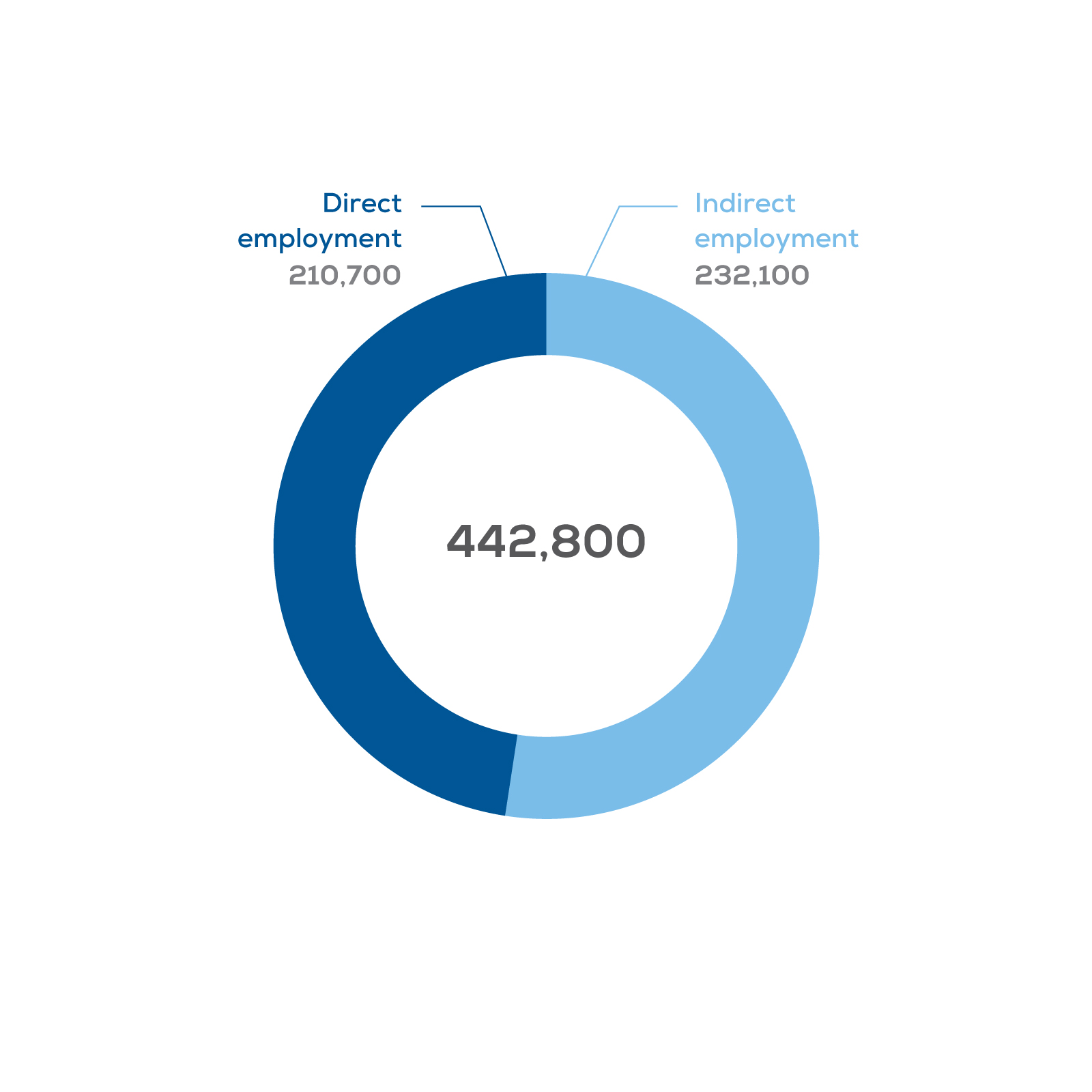
Wind energy supports 442,800 jobs across Europe – 210,700 direct and 232,100 indirect.
2
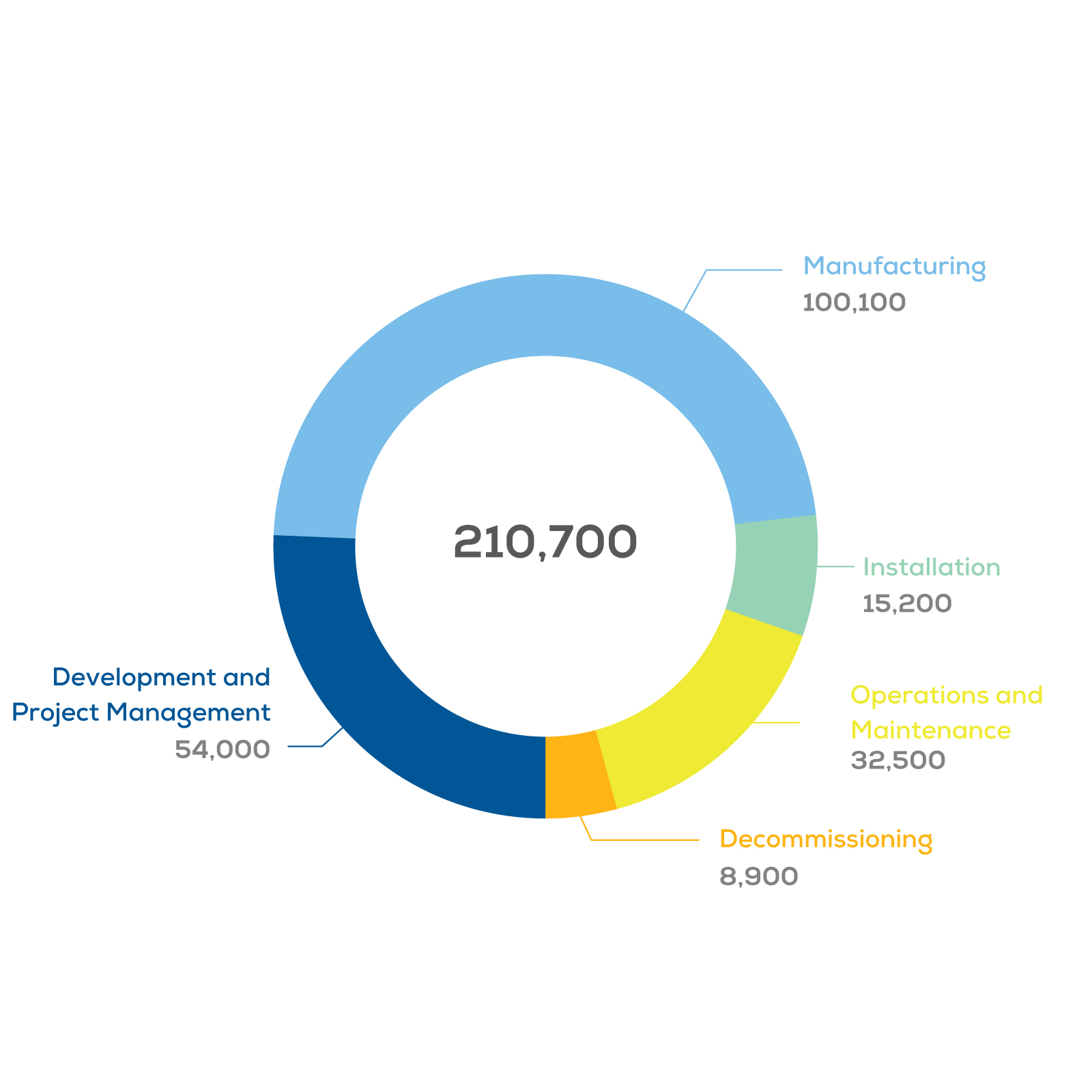
Manufacturing accounts for nearly half of all direct jobs—100,100—highlighting its central role in Europe’s wind energy economy.
3
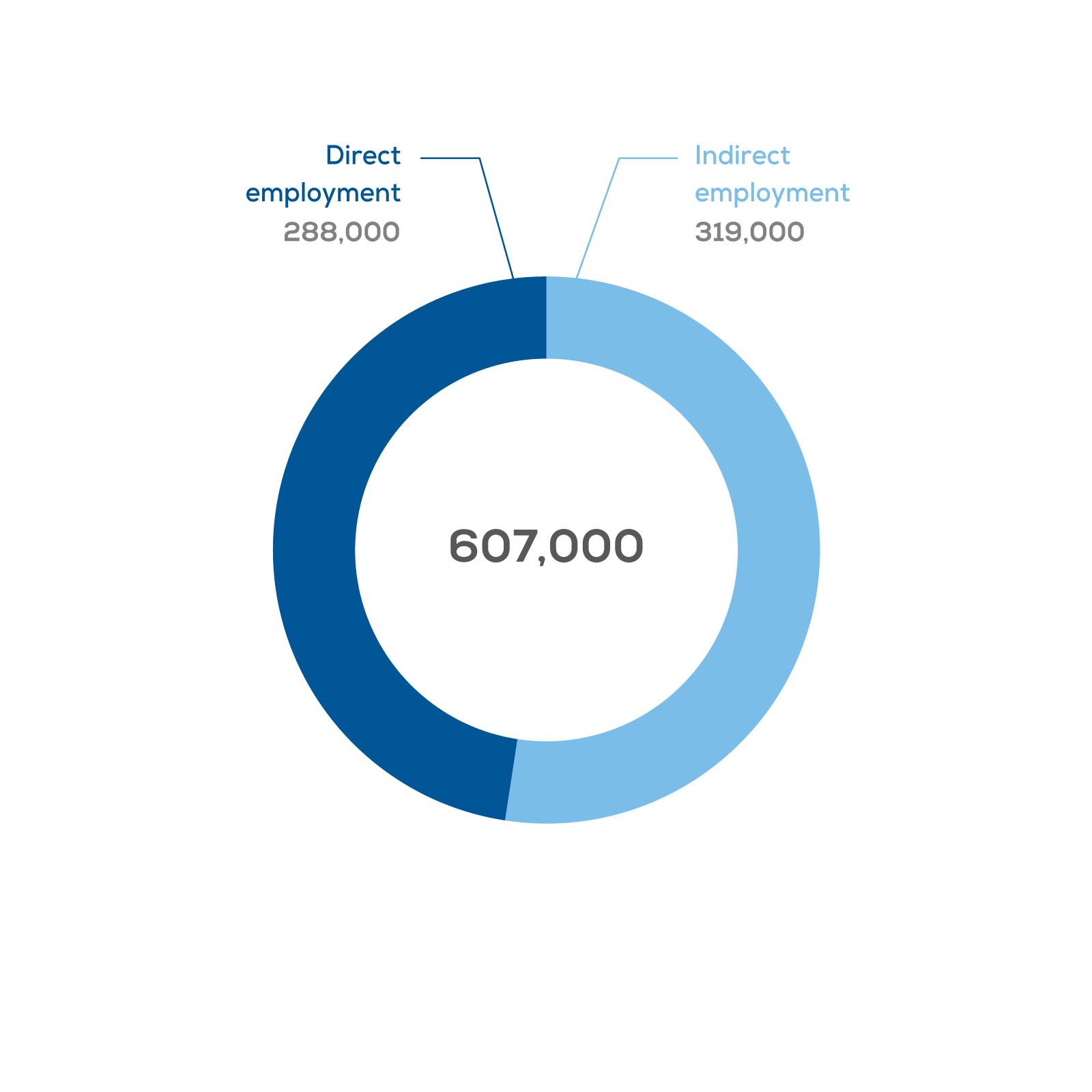
By 2030, wind energy employment in Europe is projected to reach 607,000 jobs, including 288,000 direct and 319,000 indirect roles
4
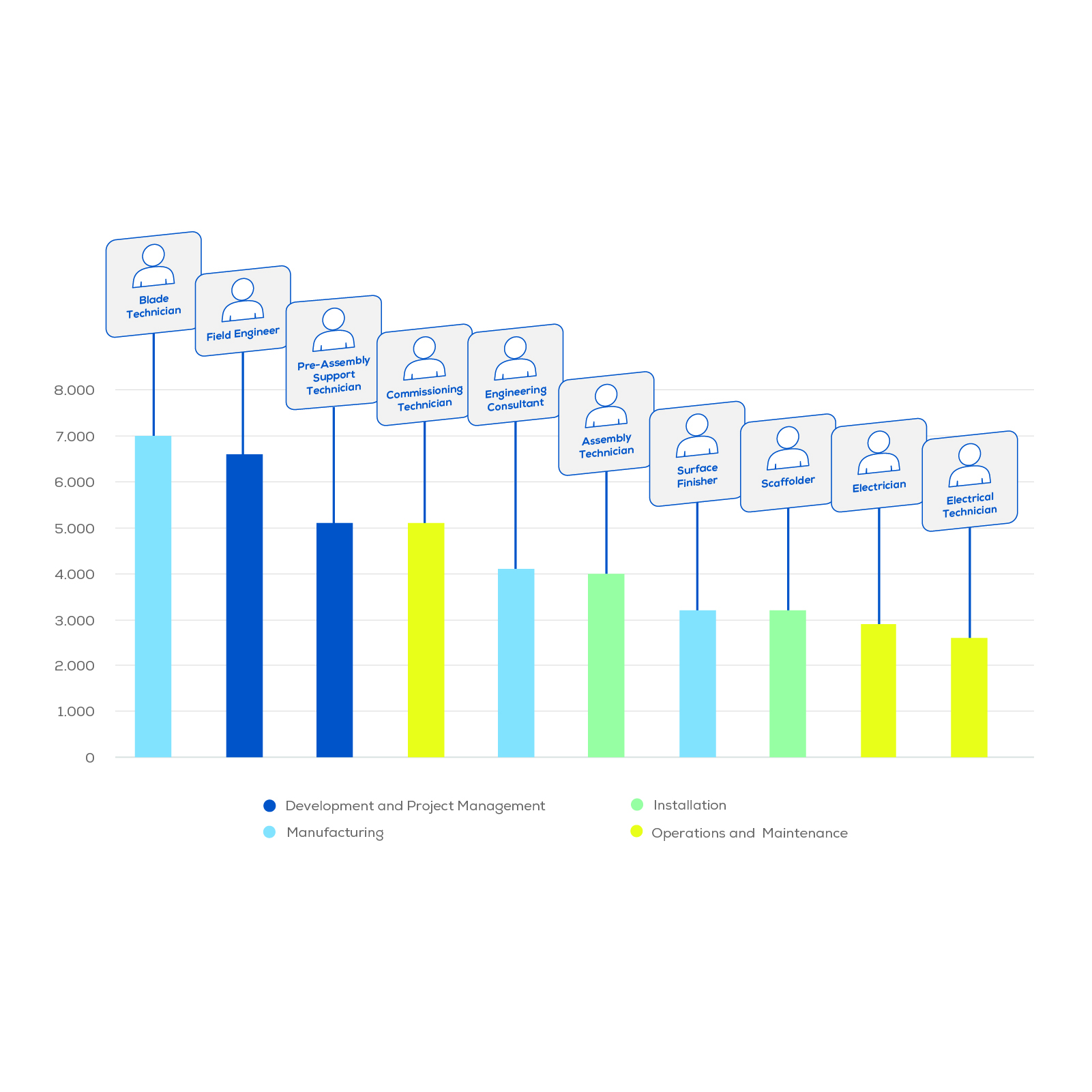
By 2030 critical shortages are expected in blade technicians, field engineers, and pre-assembly support technicians.