

Sustainability
WindEurope Sustainable Events Commitment
At WindEurope, sustainability is not only what we promote, it is how we organise our events. As the voice of the European wind energy sector, we want every event we organise to reflect the clean energy transition we support. Our ambition is for WindEurope events to create a meaningful positive impact and become a reference for responsible and sustainable event management. We integrate sustainability into every stage of our events, in line with ISO 20121 and the United Nations Sustainable Development Goals. Our aim is to reduce environmental impact, create positive experiences for people, and operate in a transparent and responsible way.
Environmental responsibility:We aim to minimise the environmental impact of our events by making informed and responsible choices throughout their planning cycle and delivery.
Inclusive and respectful events:We make our events accessible, encourage diverse participation and apply clear codes of conduct so everyone feels welcome and safe.
Responsible operations:We organise viable events that support the wind energy community and our wider mission, while upholding strong ethical and governance standards. Our events are created by the industry, for the industry, fostering collaboration and long-term value for all stakeholders.
Read our Events Sustainability Policy Read our Events Code of Conduct
Travel
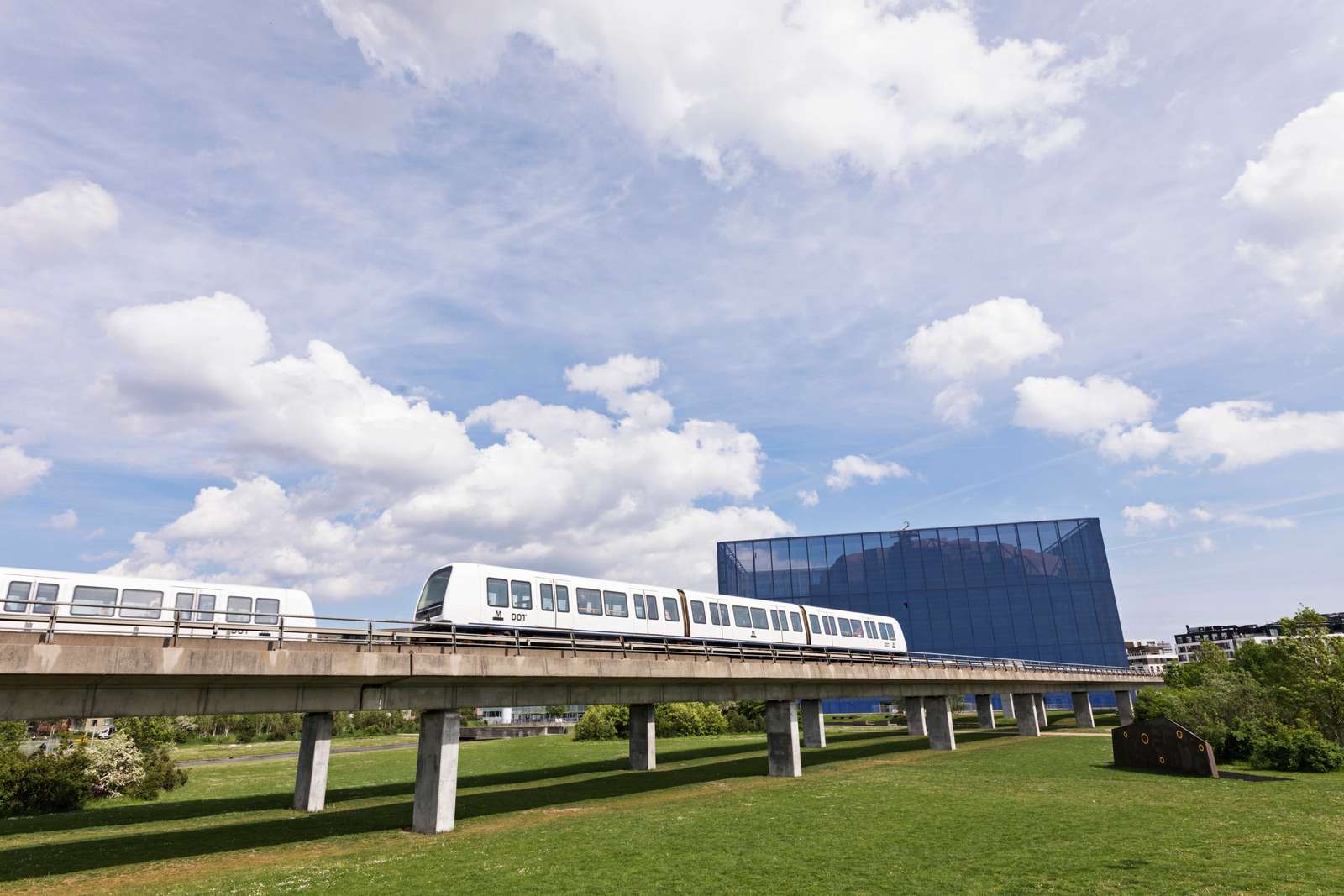
Did you know… Global transportation is a major source of greenhouse gas emissions. Taxis running on gasoline or diesel are major CO2 emitters – giving off about 250g per km! Public transport is more energy efficient, emitting just 100g for each passenger over the same distance.
What are we doing about it? WindEurope is committed to reducing the event’s environmental footprint by encouraging low‑carbon travel choices for all delegates. Want to see the difference your travel choices make? Use our online carbon‑footprint calculator to compare your transport options and measure your positive impact!
How can you help? Take public transport whenever you can to reduce your carbon emissions and support sustainable travel options!
Food
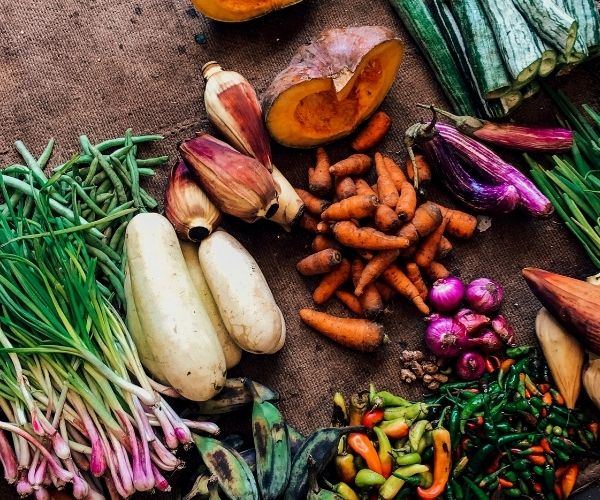
Did you know… The food industry has a major environmental footprint – responsible for 26% of global greenhouse gas emissions. Meat production is the big culprit here. It takes up large tracts of land – around 77% of all global agricultural areas. And it consumes lots of water too – around 15,000 liters for every kg of beef.
What are we doing about it? Our lunches this year are 70% vegetarian and plant-based menu– which cuts down significantly on the carbon footprint linked with meat and dairy produce. Our menu combines organic, seasonal and locally sourced ingredients as much as possible.
How can you help? Try out some of the sustainable dishes available at the Lunch Area! Mindful food choices are a great way to make a difference to the world around us!
Food waste
Did you know… Every year up to 1/3 of food produced around the world ends up in refuse.This isn’t just a waste of everything that goes into making food – water, energy, and labour. It also leads to more greenhouse gas emissions. As food waste decomposes in landfills, it gives off methane, one of the major drivers of global climate change.
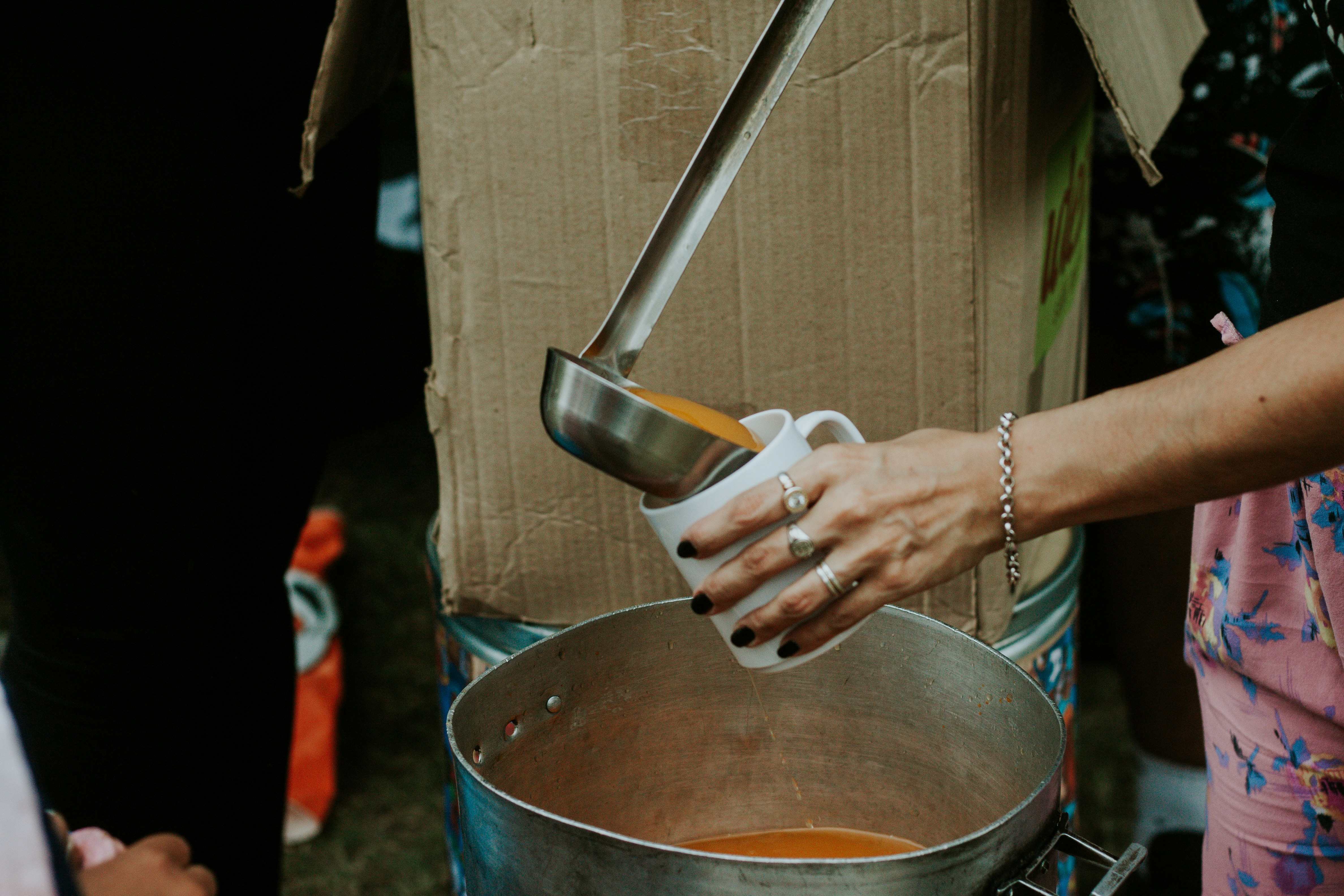
What are we doing about it? We’ve taken steps to minimise food waste, making careful use of food quantities onsite.Any leftover food is reused to ensure nothing goes to waste. Surplus food will be donated to olVIDAdos, an NGO that distributes food to the most disadvantaged families.
How can you help?Make sure to only take what you know you will eat – and help us cut down on food waste! Every little effort helps!
Catering at the event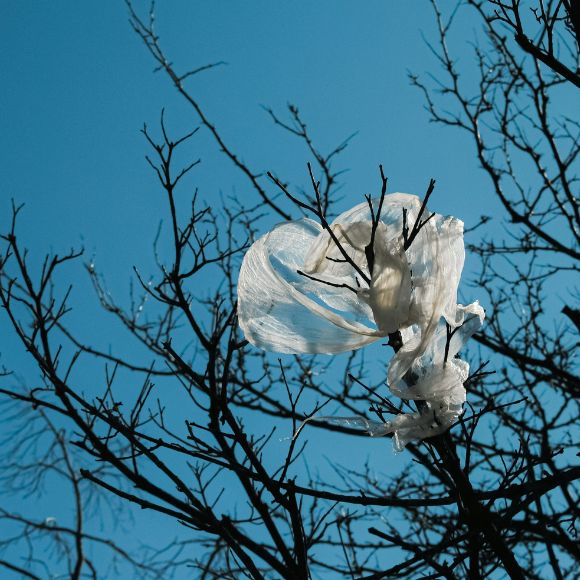
Waste and plastic pollution
Did you know… Our modern society produces 2bn metric tonnes of waste a year. And most of this waste ends up in landfills or dumped directly into the natural environment. Landfills are the third-largest source of human-related methane emissions, a potent greenhouse gas.
For plastic, it’s even more alarming. Only 9% of the 9bn tonnes of plastic produced every year is recycled. The rest gathers in landfills, oceans, and other ecosystems, where it can take thousands of years to degrade. At this rate, by 2050, there will be more plastic in the oceans than fish – when measured by cumulative weight.
What are we doing about it?
- We’ve installed water refilling stations around the venue to cut back on single-use plastics.
- Your lanyard is made from recycled plastic – and the badge holders are biodegradable!
- All hosts’ T‑shirts will be donated to La Merced Migraciones, supporting their work with migrants and young people in vulnerable situations.
- Our flower arrangements come from the Aprocor Foundation for people with disabilities, who grow them in their own greenhouses. After the event, we will donate all arrangements back!
How can you help? Please dispose of your waste in the correct bins to help reduce landfill waste. If you have a water bottle, feel free to refill it whenever you’re thirsty! And when the event is over, leave your badge in the special collection box so it can be recycled!

Thriving together
To foster a more inclusive and safe wind industry, we emphasize diverse attendance, gender balance in speakers, and stringent health and safety measures.
- Encourage diverse attendance: We create inclusive programs reflecting varied perspectives and ensure comfort and respect for all. Our free student-only program and Wind Energy Open House provide renewable energy insights to diverse communities.
- Promote gender balance in speakers: We promote gender balance by encouraging more female representation among our speakers. We support other initiatives that promote a more balanced gender representation of the industry. You can find more on this under the side events we support.
- Ensure health, safety, and security: We prioritize the safety of all stakeholders by implementing comprehensive health and safety measures and providing thorough briefings and documentation throughout event planning and delivery.
Want to know more?
Resources
We check our facts before posting. Here are the resources used in putting this page together:
- Climate Change Impacts on Transportation
- Post-Pandemic, Public Transport Needs to Get Back on Track to Meet Global Climate Goals
- Environmental Impacts of Food Production
- Plastic pollution
- Impacts of Plastic Pollution
- The Women for Sustainable Energy – Strategies to Foster Women’s Talent for Transformational Change
Photo credits:
- Travel: Photo by Büro Jantzen for Metroselskabet
- Food: Photo by Sri Lanka on Unsplash
- Food Waste: Photo by Jeremias Ybañez on Unsplash
- Waste and plastic pollution: Photo by Linus Belanger on Unsplash
- Thriving together:Photo by Shane Rounce on Unsplash
- Legacy: Photo by Noah Buscher on Unsplash